
MY ROLE
Most Unite customers used Basic Hunt Groups — free, but with no way for managers to oversee live calls. Supervisor tools like listen-in and barge only existed behind a paid upgrade.
I designed monitoring directly into the standard app, giving every Basic Hunt Group manager live call visibility and intervention controls — no upgrade required.
23,000
75,000
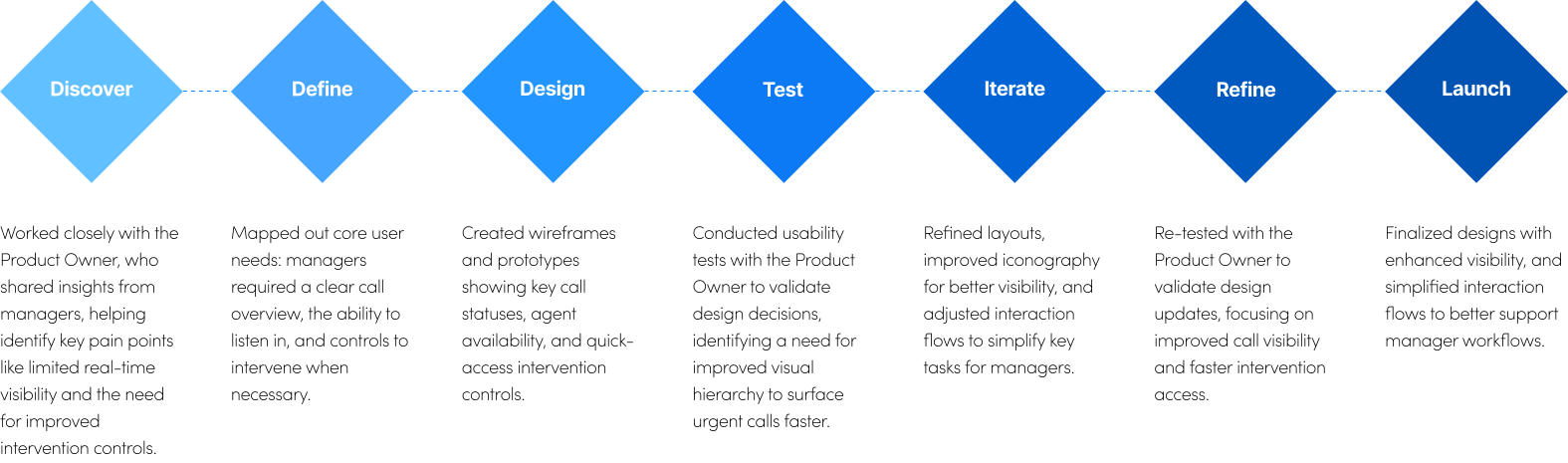
I mapped manager workflows to understand what oversight actually looked like in practice — and where the current app left them without options.

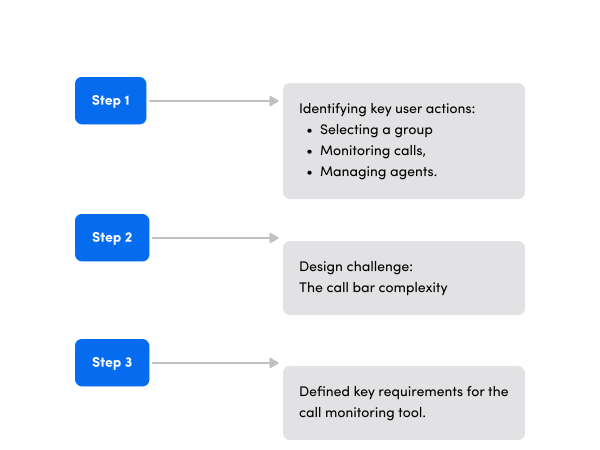
Converting the vision into use cases
Based on stakeholder discussions and research insights, we identified two key use cases that informed the final design priorities:
Use case 1
Managers needed to intervene in live calls with no urgency cues in the UI. I introduced inline M/W/B controls on the call bar so action required a single click.
Use case 2
Not MVP
Reporting was scoped out of the MVP. Stakeholders agreed real-time monitoring was the higher-urgency need — reporting could follow in a later phase.
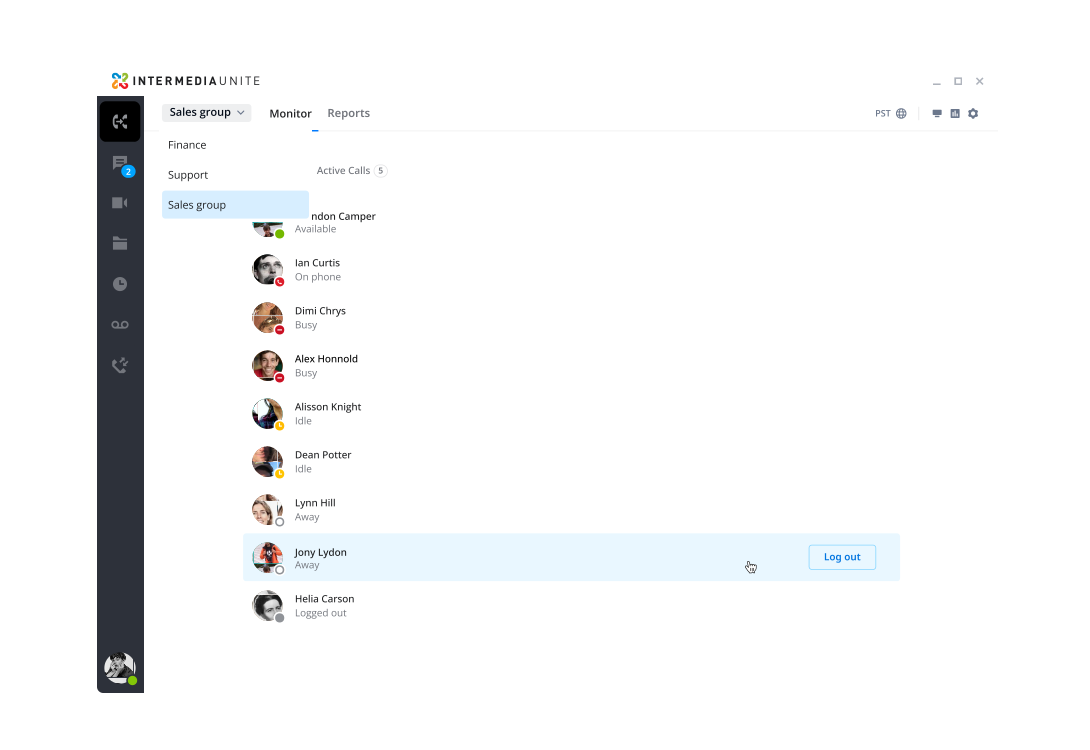
The monitoring tool had to feel native to Unite — reusing existing components, following established patterns, and extending the call bar rather than replacing it. The one product constraint: the app couldn't pre-load a hunt group on launch. Managers land on an empty state first, select their group, then see live data. I designed this as a deliberate orientation step rather than a limitation.


Structural Screen Development
I designed two core screens around the manager's primary needs: acting on live calls, and controlling who is available to take them.
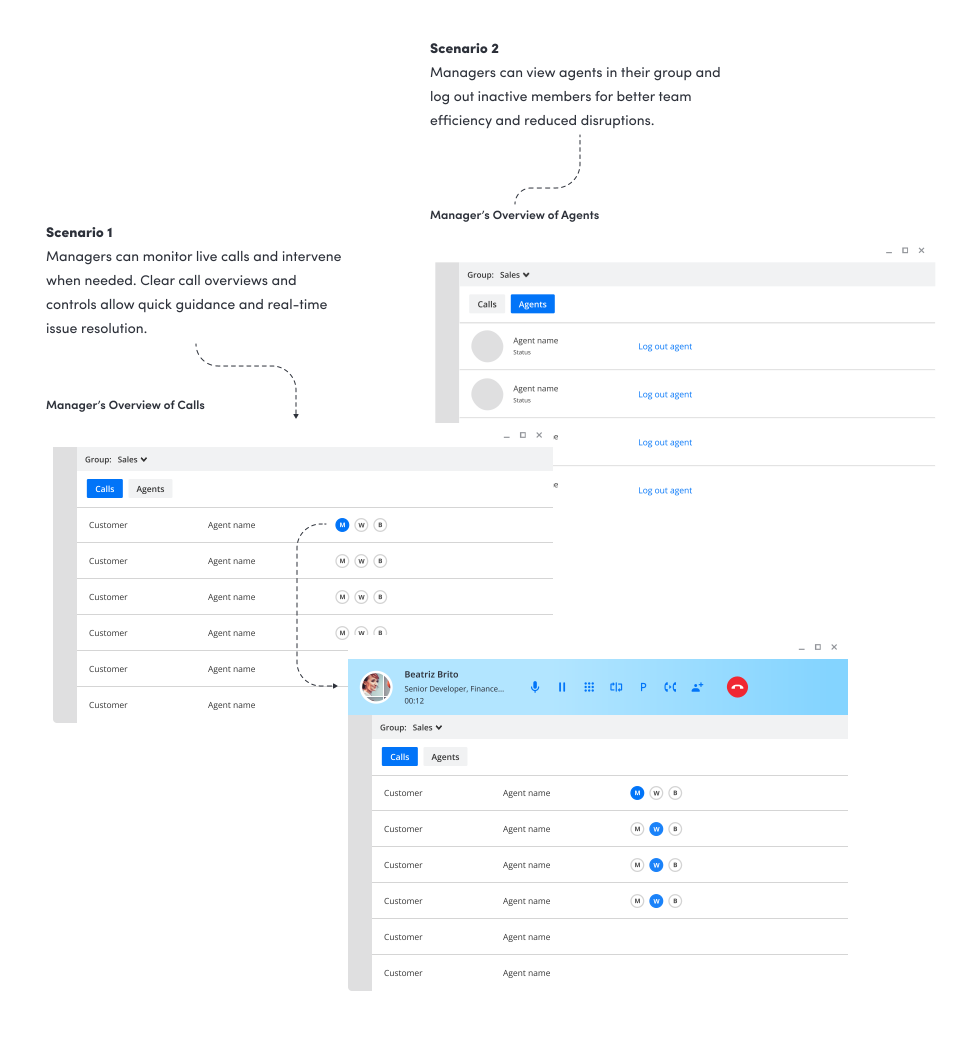
I designed two core screens around the manager's primary needs: acting on live calls, and controlling who is available to take them.

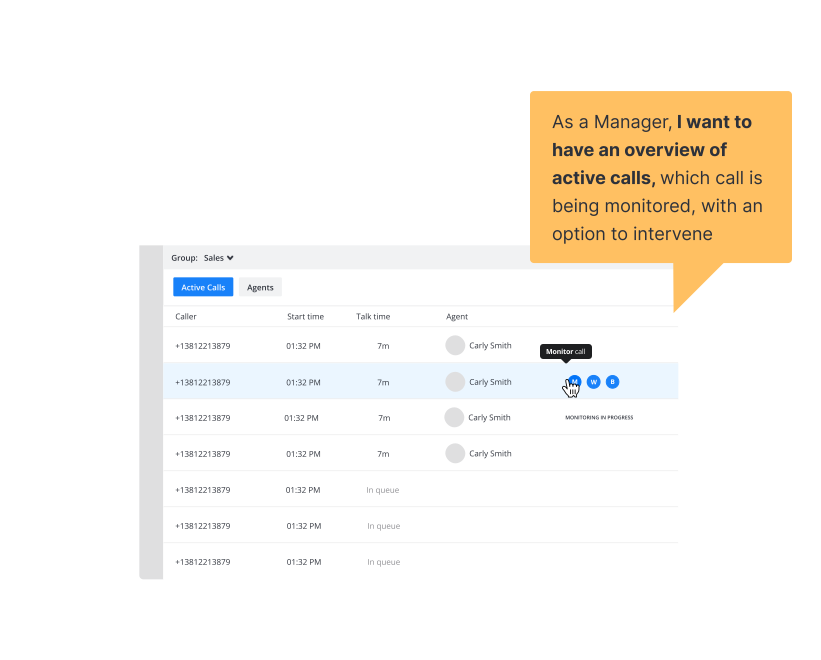
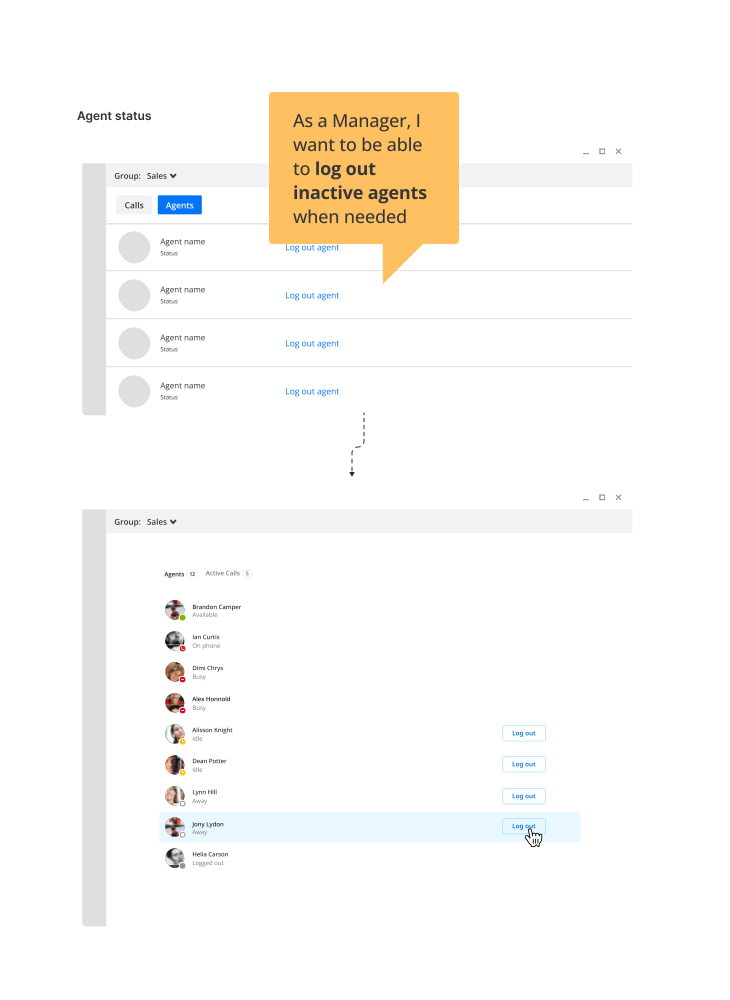
I delivered annotated mockups specifying component behaviour for each interaction state — monitoring, whispering, barging, and agent log-out. We ran regular alignment sessions with the dev team to resolve integration questions early, ensuring the call bar extensions worked within Unite's existing framework without rework.



Reach: The feature launched as part of the standard Unite app, making call monitoring available to all Unite customers for the first time — no paid upgrade required.
Adoption: It became the most widely used call oversight tool in the product, used by an estimated half of all customers — notably more than those who had opted into the paid Advanced Hunt Group tier.
Design validation: Two rounds of usability testing shaped the final design. Round one revealed managers struggled to spot urgent calls quickly, directly driving the visual hierarchy changes in the final design. Round two confirmed the fix worked.
Strategic impact: The feature validated SMB appetite for call oversight tools. Intermedia subsequently acquired contact center provider Telax to serve larger enterprise customers — a product I also worked on.